

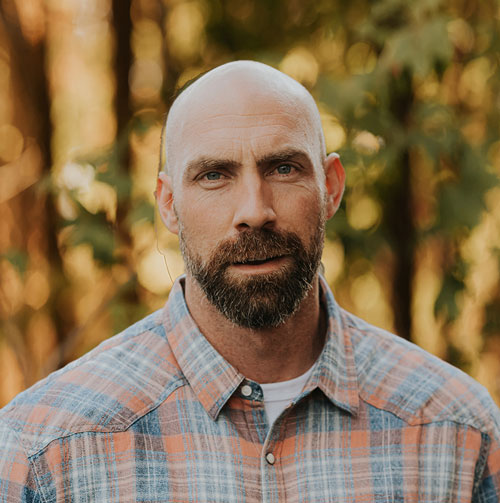
Chris Dorval serves as Co-Founder and Clinical Director at Triad. He is a nationally recognized speaker, trainer, and clinical consultant with expertise in addiction, trauma, men’s health, and the treatment of co-occurring mental health and substance use concerns.
Chris has worked as a clinician and clinical supervisor across multiple levels of care within the addiction treatment continuum. His background gives him a strong understanding of how to support individuals at different stages of recovery and how to guide clinical teams in providing thoughtful, effective care.
Chris is a Licensed Independent Clinical Social Worker, Licensed Drug and Alcohol Counselor, and Licensed Chemical Dependency Clinical Supervisor. He earned his bachelor’s degree in Psychology and his Master of Social Work from Rhode Island College.
In addition to his clinical work, Chris is an adjunct faculty member at Rhode Island College in the School of Social Work. He has also been a frequent guest lecturer on addiction, trauma, and men’s health at Rhode Island College and Brown University, including the Warren Alpert Medical School and School of Public Health. Chris is also on faculty for the Addiction Technology Transfer Center in connection with the Substance Abuse and Mental Health Services Administration.
Chris has extensive training in trauma-informed care and the treatment of co-occurring trauma and addiction. His specialty training includes Eye Movement Desensitization and Reprocessing, Emotional Freedom Technique, Cognitive Processing Therapy, Prolonged Exposure Therapy, and Mindfulness-Based Cognitive Therapy.
In 2018, Chris received the Social Worker of the Year Award in Addictions from the Rhode Island Chapter of the National Association of Social Workers.
As a person in long-term recovery himself, Chris is deeply committed to helping people affected by addiction and trauma. He believes lasting recovery is supported by addressing the underlying issues behind a person’s symptoms, building healthy relationships, and creating a strong foundation for long-term healing.