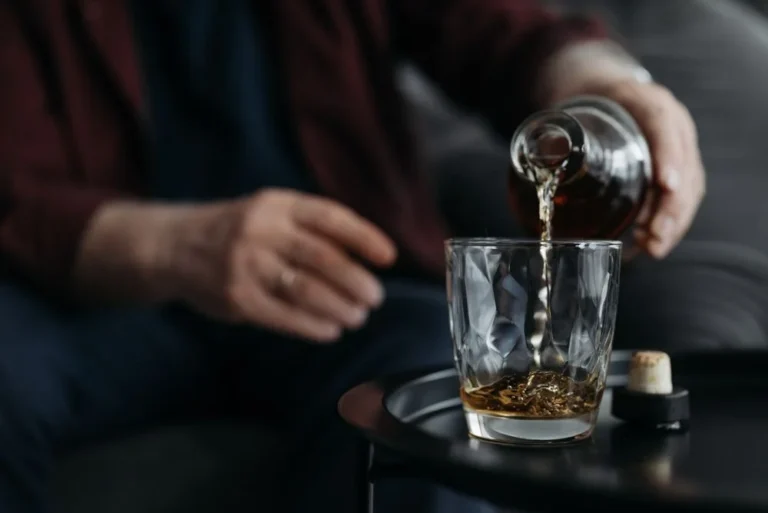

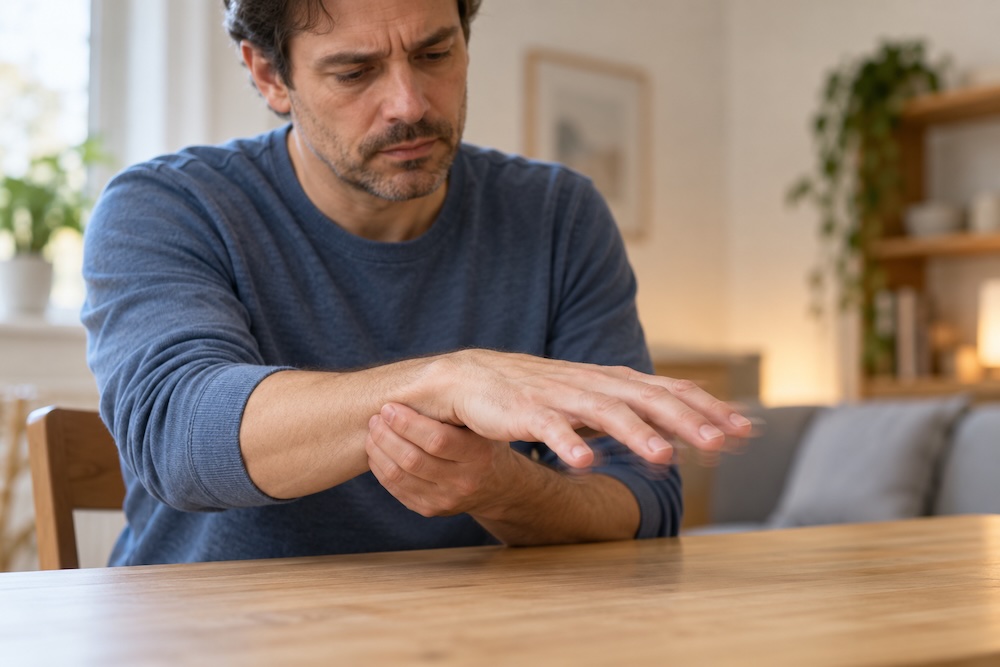
Alcohol shakes are trembling linked to alcohol use. They often affect the hands. One cause is withdrawal, which can happen when your body has become used to alcohol and you cut back or stop drinking.
If you start shaking after reducing your drinking, get medical help right away. Alcohol withdrawal can become dangerous. Call 911 for a seizure, severe confusion, fever, an irregular heartbeat, or seeing or hearing things that aren’t there. Don’t wait for a treatment center to call back.
What are alcohol shakes?
The medical word for shaking is tremor. It means a repeated movement you cannot control. Shaking can affect your hands and other parts of your body.
Shaking after cutting back or stopping
With regular heavy drinking, your body can become used to alcohol. This is called physical dependence. When you drink less or stop, withdrawal symptoms may appear.
Withdrawal can happen as alcohol wears off, including between drinks. A recent drink does not rule it out. Shaking alone does not mean you have alcohol use disorder. A medical professional needs to review your full history.
Are alcohol shakes the same as delirium tremens?
No. Shaking is a symptom. Delirium tremens, or DTs, is a severe form of alcohol withdrawal that causes sudden confusion and other serious symptoms. Shaking alone cannot tell you whether DTs will develop.
What else can cause shaking?
Medicines, an overactive thyroid, and conditions that affect movement can also cause tremor. Stress and caffeine may make shaking worse.
A medical professional can check for other causes of tremor. Tell them when the shaking started, which medicines you take, and how much you drink.
Why alcohol withdrawal can cause shaking
Alcohol slows activity in the nervous system. With regular heavy drinking, the brain adjusts to alcohol. A sudden drop in alcohol can leave the nervous system too active. This can cause shaking and other withdrawal symptoms.
Shaking is a physical response that may need medical treatment. Trying harder to hold your hands still will not stop the cause.
Confidential help is available
You Don’t Have to Navigate Recovery Alone
Our admissions team can answer your questions, explain treatment options, and help you understand the next step.
How long can alcohol shakes last?
There is no single timeline for alcohol shakes. Withdrawal symptoms often start within hours after the last drink and are at their worst within one to three days. Some symptoms last longer. This general pattern cannot tell you when your shaking will stop or whether it is safe to wait.
Why timing varies
Your drinking history, past withdrawal, health, and use of other substances affect the care you need. Two people with shaky hands may need different treatment.
If shaking continues or gets worse
Get checked again if shaking continues after treatment or gets worse. New symptoms can change the care you need.
What should you do if you are shaking after drinking?
Get medical help right away
Contact a medical professional right away or go to an emergency department if you think you may be in withdrawal. You do not need to know the cause before asking for help. Call 911 for the emergency signs listed above.
Tell the care team what has happened
Be ready to share:
- How much and how often you usually drink
- When you last drank or cut back
- When the shaking began and any other symptoms
- Medicines, supplements, and other substances you use
- Any past withdrawal, seizures, or hospital treatment
If you do not remember an exact amount or time, say so. This information helps the team plan your care.
Avoid trying to manage withdrawal alone
If you have been drinking heavily for a long time, get medical advice before you suddenly stop or cut back. If you have already cut back and started shaking, seek care now.
Do not try to treat withdrawal on your own with alcohol, borrowed medicines, or home remedies. A friend staying with you cannot replace medical care and monitoring.
How medical care for alcohol withdrawal works
Care starts with a review of your symptoms and health. The team may check your heart rate, blood pressure, and temperature. They may order tests and use medicines to manage withdrawal and lower the risk of serious problems.
Some people need care in a hospital or another withdrawal-care facility. Others may qualify for closely supervised outpatient withdrawal care. A medical professional must decide which setting is safe. Regular outpatient counseling does not provide this kind of withdrawal care.
Our guide to what medical detox involves explains the broader process and how continued treatment can fit afterward.
What comes after withdrawal care?
Once you are medically stable, treatment can help you change your drinking patterns and manage the urge to drink. Withdrawal care is only one part of treatment for alcohol use disorder.
Ongoing care may include:
- Counseling to understand what leads to drinking and learn ways to cope
- Medication for alcohol use disorder, when a qualified provider recommends it
- Care for mental health concerns that affect recovery
- Peer support and a plan for getting help if drinking returns
Our alcohol addiction treatment includes outpatient options. If you need more support while living at home, our intensive outpatient program may be a good fit. An assessment helps us decide which type of care meets your needs.
How we help you take the next step
At Triad Recovery Center, we provide outpatient alcohol treatment in Winston-Salem for adults across the Piedmont Triad. We do not offer medical detox onsite. If you need detox first, we can help coordinate care with another provider and plan for outpatient treatment afterward.
Once you are medically stable, talk with our admissions team about alcohol treatment. We can explain our programs and how referrals work. If you are shaking after cutting back, get medical help first.